10 Factors To Know About 3 Wheel Buggy You Didn't Learn At School
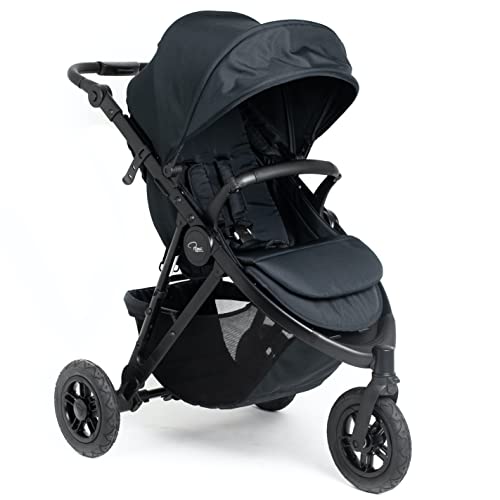
Exploring the World of 3-Wheel Buggies: A Comprehensive Guide
When it comes to ingenious transportation, couple of things catch the spirit of contemporary mobility like a three-wheel buggy. These nimble gizmos mix the agility of a motorbike with the stability of a cars and truck, producing an unique car that interest both thrill-seekers and those looking for a useful methods of transport. Whether utilized for recreational functions or practical travelling, three-wheel buggies have ended up being an interesting alternative in the world of personal automobiles. This blog site post explores the features, advantages, and factors to consider surrounding these special automobiles.
What is a Three-Wheel Buggy?
A three-wheel buggy, also referred to as a trike or three-wheeler, usually includes 2 wheels at the back and one at the front. The style offers a mix of stability and maneuverability, making it especially matched for different driving conditions.
Comparison Table: Two-Wheel vs. Three-Wheel Vehicles
| Feature | Two-Wheel Vehicle | Three-Wheel Buggy |
|---|
| Stability | Less stable | More stable |
| Maneuverability | Agile | Nimble |
| Seating Capacity | Normally 2 | Varies (as much as 4) |
| Storage Space | Minimal | Moderate to high |
| Regulative Requirements | Motorcycle ones | Varies by region |
Advantages of a Three-Wheel Buggy
Stability and Safety
Three-wheel buggies provide enhanced stability compared to traditional two-wheel motorbikes, making them an attractive option for riders worried about security. The larger base improves balance and minimizes the likelihood of tipping over.
Comfort
Numerous three-wheel buggies are designed with rider convenience in mind. They typically include features like container seats, adjustable steering, and suspension systems that can soak up shocks from unequal terrain.
Flexible Use
Three-wheel buggies can serve multiple purposes. They can be outfitted for leisure enjoyable, utilized for travelling, or even adjusted for off-road adventures, making them a versatile choice for different lifestyles.
Lower Maintenance Costs
Typically, three-wheel buggies have easier mechanical setups compared to four-wheeled automobiles, which can lead to lower repair and maintenance expenses. Many designs also come with more economical fuel consumption.
Unique Driving Experience
The driving experience on a three-wheeler is unique, using a sense of flexibility that numerous chauffeurs find exciting. The open design offers a pleasurable method to bask in the outside environment during trips.
Popular Models of Three-Wheel Buggies
| Design | Rate Range | Engine Type | Leading Speed | Best For |
|---|
| Can-Am Ryker | ₤ 8,499 - ₤ 12,999 | 600cc - 900cc | 90 mph | Road travelling |
| Polaris Slingshot | ₤ 19,999 - ₤ 27,999 | 2.4 L engine | 130 mph | Performance rides |
| Campagna T-Rex | ₤ 50,000 - ₤ 70,000 | 1.4 L turbocharged | 140 mph | Luxury experience |
| Vanderhall Venice | ₤ 34,000 - ₤ 45,000 | 1.5 L turbocharged | 70 mph | Picturesque drives |
Factors to consider Before Buying a Three-Wheel Buggy
1. Licensing and Insurance
Constantly check local guidelines regarding the license and insurance coverage requirements for three-wheel buggies. In some areas, they may be categorized as motorbikes, needing specific licenses.
2. Storage Space
While many models use decent storage, prospective purchasers ought to consider how much area they need for luggage or equipment. Some buggies feature extra storage compartments or alternatives for trailers.
3. Planned Use
Various three-wheel buggies serve various functions. Those thinking about sportier designs might lean towards devices with higher horse power, while those trying to find relaxation may choose more comfortable designs.
4. Budget
Prices for Three Wheeler Pushchairs-wheel buggies can differ extensively. Prospective buyers need to consider not just the price tag but also upkeep and functional expenses when budgeting for their brand-new vehicle.
5. Test Drive
Just like any automobile purchase, a test drive is vital. Getting a feel for the handling, convenience, and controls can help make sure that the buggy is the right fit.
Regularly Asked Questions (FAQ)
Q1: Are three-wheel buggies safe to drive?
A1: Yes, they are typically considered safe due to their enhanced stability compared to two-wheel motorbikes. Nevertheless, like all automobiles, security likewise relies on the rider's skills and adherence to traffic laws.
Q2: What sort of maintenance do three-wheel buggies require?
A2: Maintenance typically includes regular oil modifications, tire evaluations, and brake checks, similar to other automobile. Nevertheless, due to their easier styles, upkeep expenses can typically be lower.
Q3: Can anyone drive a three-wheel buggy?
A3: Driving requirements differ by nation and state. Some areas might require a motorbike license, while others may permit chauffeurs with a routine vehicle license. Constantly confirm the policies in your location.
Q4: How quick can a three-wheel buggy go?
A4: Depending on the design, three-wheel buggies can reach speeds from 70 mph to over 140 mph. Each model's requirements will detail its maximum speed.
Q5: Are three-wheel buggies comfortable for long trips?
A5: Many models are developed for comfort, featuring ergonomic seats and great suspension systems. However, individual convenience can vary, so a test drive is a good idea.
Three-wheel buggies present an interesting and practical alternative to conventional vehicles. With their unique blend of stability, comfort, and adaptability, they are paving the way for a new form of transportation. Whether one looks for the excitement of a trip through winding roads or a convenient commuter alternative, a three-wheel buggy deserves considering. As makers continue to innovate and present new models, the opportunities to enjoy this revitalizing mode of transport will just broaden.