Why Is Fascias So Popular?
Fascias and Soffits: Understanding Their Importance in Home Exterior
When it concerns the maintenance and visual appeals of a home's outside, fascias and soffits play an essential function. Although they are typically overlooked, these elements substantially add to a home's structural integrity and visual appeal. This blog post aims to demystify fascias and soffits, exploring their functions, products, installation process, maintenance, and typical questions homeowners might have.
What Are Fascias and Soffits?
Fascia
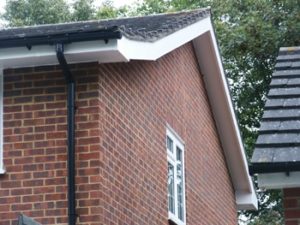
The fascia is a horizontal board situated at the edge of the roofline. It serves as a barrier between the roof and the outdoors aspects, serving multiple vital purposes:
- Support: The fascia supports the lower edge of the roof and the rain gutters.
- Aesthetic Appeal: It supplies a clean, ended up aim to the roofline.
- Protective Barrier: The fascia helps prevent water from getting in the roofing structure, which might lead to rot and damage.
Soffit
Soffits are the boards that fill the space in between the roofing overhang and the exterior wall. They are usually found under the Eaves Maintenance and serve numerous functions:
- Ventilation: Soffits can have ventilation slots, allowing air to circulate in the attic space, which helps control temperature and humidity.
- Pest Prevention: By covering exposed areas, soffits deter bugs like birds and pests from nesting in the Eaves Maintenance.
- Visual Harmony: Like fascias, soffits contribute to the general appearance of the home, ensuring a seamless look in between the roofline and walls.
Materials for Fascias and Soffits
Both fascias and soffits can be made from numerous products, and each has its benefits and disadvantages. Here's a quick summary:
| Material | Fascia | Soffit |
|---|
| Wood | Traditional visual, however prone to rot and needs maintenance | Supplies a traditional look, but can warp or crack |
| Vinyl | Long lasting and low maintenance, available in a number of colors | Easy to install and resistant to moisture |
| Aluminum | Light-weight, corrosion-resistant, offered in numerous finishes | Ideal for areas with high humidity, prevents rust |
| Fiber Cement | Extremely long lasting, weather-resistant | Offers a contemporary surface, low maintenance |
Installation of Fascias and Soffits
Steps for Installation
Preparation:
- Remove old fascia and soffit boards if required.
- Examine the underlying structure for any signs of rot or damage.
Determining:
- Measure the length of the fascia and the location for the soffit.
- Make sure accurate measurements to minimize material waste.
Cutting:
Installation of Fascia:
- Place the fascia board at the edge of the Roofline Repairs.
- Secure it with suitable fasteners, such as screws or nails.
Installation of Soffit:
- Attach the soffit boards, making sure to leave space for ventilation if needed.
- Usage either a constant soffit vent or private vents based on design requirements.
Completing Touches:
- Seal all joints with weather-resistant caulk to prevent water invasion.
Standard Tools Required
- Measuring tape
- Chalk line
- Saw (circular or miter)
- Hammer or nail weapon
- Screwdriver or drill
- Level
Maintenance Tips for Fascias and Soffits
Routine maintenance of fascias and soffits can extend their lifespan and preserve the visual appeal of your home. Here are some crucial maintenance ideas:
Regular Inspections:
- Check for indications of damage, rot, or insect activity a minimum of twice a year, especially before and after harsh weather conditions.
Cleaning:
- Clean rain gutters frequently to prevent overflow, which can harm the fascia.
- Clean down soffits and fascias with a moist cloth to get rid of dirt and grime.
Paint and Seal:
- If made from wood, repaint and reseal fascias and soffits regularly to protect them from wetness.
Ventilation Check:
- Ensure that ventilation slots in the soffits are not blocked by debris or nests.
FAQs About Fascias and Soffits
1. How often should I replace my fascias and soffits?
Fascias and soffits normally last in between 20 to 30 years, depending on the product and environment. Regular assessments can help you identify when it's time for Replacement Fascia Boards.
2. Can I install fascias and soffits myself?
While DIY installation is possible, it requires specific tools and understanding. Employing a professional can guarantee correct installation and save time.
3. What are the signs that my fascia or soffit requirements repair?
Try to find sagging, peeling paint, staining, or spaces in between the fascia, soffit, and the roofing or wall, all of which suggest potential issues.
4. Do soffits need to be vented?
Ventilation is essential for soffits, specifically in attics, as it enables wetness to escape and assists manage temperature, preventing structural damage.
5. Exist any patterns in fascia and soffit design?
Modern homes frequently feature clean lines and minimalistic styles. Composite materials and colored vinyl are ending up being progressively popular for their low maintenance and durability.
In conclusion, fascias and soffits are crucial elements of a home's outside that supply both functionality and visual appeal. Understanding their roles, products, and maintenance needs can help homeowners make informed decisions about their home's maintenance. Whether you choose DIY installation or work with a professional, guaranteeing the stability of fascias and soffits will contribute to the durability and charm of your home. Routine maintenance and prompt repairs will settle in safeguarding your residential or commercial property from possible damage, making these aspects not just decorative, but essential to home health.