Why Treadmills Is More Dangerous Than You Realized
Home Treadmills: Your Guide to Choosing the Perfect Fitness Companion
In an age where convenience typically dictates our fitness routines, home treadmills have emerged as a popular solution for individuals seeking to maintain an active lifestyle without the requirement to step foot into a gym. With technological advancements and numerous designs offered, browsing through the options can feel frustrating. This blog post explores the essential elements of home treadmills, their benefits, features to think about, and regularly asked questions to assist prospective buyers make informed decisions.
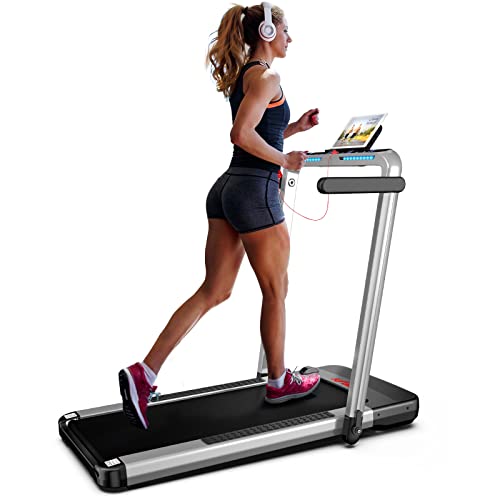
Benefits of Owning a Home Treadmill
Having a treadmill at best home treadmill offers different advantages that cater to a series of physical fitness levels, way of lives, and choices.
| Advantages | Information |
|---|
| Convenience | Enables users to work out at any time without commuting to a gym. |
| Weather condition Independent | Allows workouts despite weather, making sure consistency. |
| Cost-Effective | Saves money on gym memberships and travel costs in the long run. |
| Privacy | Offers a comfortable environment for individuals who prefer exercising alone. |
| Personalized Workouts | Numerous models feature pre-set programs and adjustable settings for personalized regimens. |
Key Features to Consider When Buying a Treadmill
When choosing a treadmill, comprehending the numerous features readily available is essential. Here are some elements to think about:
1. Motor Power
- The power of the motor, determined in horse power (HP), is necessary for determining the treadmill's ability to manage your workout intensity and frequency.
- A motor of 2.5 HP or greater is usually advised for regular running.
2. Belt Size
- The size of the running surface impacts convenience throughout exercises. A minimum belt size of 20 inches in width and 55 inches in length is perfect for a lot of users.
3. Cushioning
- Proper cushioning can reduce the influence on joints and enhance convenience, specifically for long-distance runners.
4. Slope Options
- Treadmills with adjustable slope settings offer a more different workout and aid engage different muscle groups.
5. Folding Capability
- For those with limited area, a folding treadmill is a practical choice that can be easily stored when not in use.
6. Innovation Integration
- Numerous contemporary treadmills include Bluetooth connection, built-in speakers, and compatibility with fitness apps, enabling users to track their progress successfully.
7. Price and Warranty
- The rate of treadmills varies considerably. It's necessary to set a spending plan and consider the warranty provided by the manufacturer for included comfort.
Types of Home Treadmills
Understanding the various types of treadmills can help narrow down your options based on your physical fitness goals and space availability.
| Type | Description |
|---|
| Mechanical Treadmills | These treadmills electric depend on the user's effort to power the belt; often more budget-friendly but less suitable for intense workouts. |
| Electric Treadmills | Powered by a motor, these are the most typical type and deal different features and settings for a tailored experience. |
| Folding Treadmills | Ideal for restricted spaces, folding treadmills can be stored away when not in use. |
| Commercial Treadmills | Constructed for heavy use, these treadmills are durable and feature-rich but typically more pricey. |
Maintenance Tips for Your Treadmill
To keep a treadmill running effectively for several years, regular upkeep is important.
- Tidy Regularly: Dust and dirt accumulation can impact performance. Wipe down the surface area and vacuum around the treadmill electric.
- Oil the Belt: Follow the producer's guidelines on how often to lubricate the belt, typically every 3-6 months.
- Examine the Tension: Monitor the belt's tension to ensure it is not too loose or too tight, as this can cause wear over time.
- Inspect the Electrical Components: Ensure that all electrical components are working properly, and look for any torn wires.
- Keep it Level: Ensure that the treadmill is on a flat surface to prevent any unnecessary pressure on the motor.
Often Asked Questions (FAQ)
1. What is the typical life expectancy of a home treadmill?
- A well-maintained treadmill can last anywhere from 7 to 15 years, depending on the quality and frequency of use.
2. Do I need a treadmill with a slope feature?
- A slope function increases exercise strength and range, making it beneficial for those seeking to improve their fitness level.
3. How much area do I require for a treadmill?
- At a minimum, a treadmill electric ought to have an area of 2-3 feet on each side and 6-8 feet behind it to guarantee safe use.
4. How often should I replace my treadmill?
- If you discover decreased efficiency, excessive sound, or visible wear, it might be time to consider a replacement.
5. Can I utilize a treadmill for walking along with running?
- Yes, most Treadmills For Cheap are created for both walking and running, permitting flexibility in your workout regimen.
Purchasing a home treadmill can change your fitness journey, offering exceptional convenience and performance. By comprehending the various features, types, and maintenance practices related to treadmills, you can make an informed choice that lines up with your way of life and physical fitness objectives. As you start this journey, keep in mind that consistency is key, and having the ideal equipment at home can significantly improve your opportunities of success.