What's The Job Market For Counterfeit Money For Sale Professionals Like?
Counterfeit Money for Sale: Understanding the Risks and Realities
In an increasingly digital and interconnected world, the development of counterfeit currency has become an alarming issue. From people attempting to defraud businesses to larger operations infiltrating monetary systems, counterfeit money provides a considerable challenge to society. In this blog site post, we will delve into the intricacies of counterfeit money, explore its ramifications, and provide essential information on how to protect oneself against this pervasive risk.
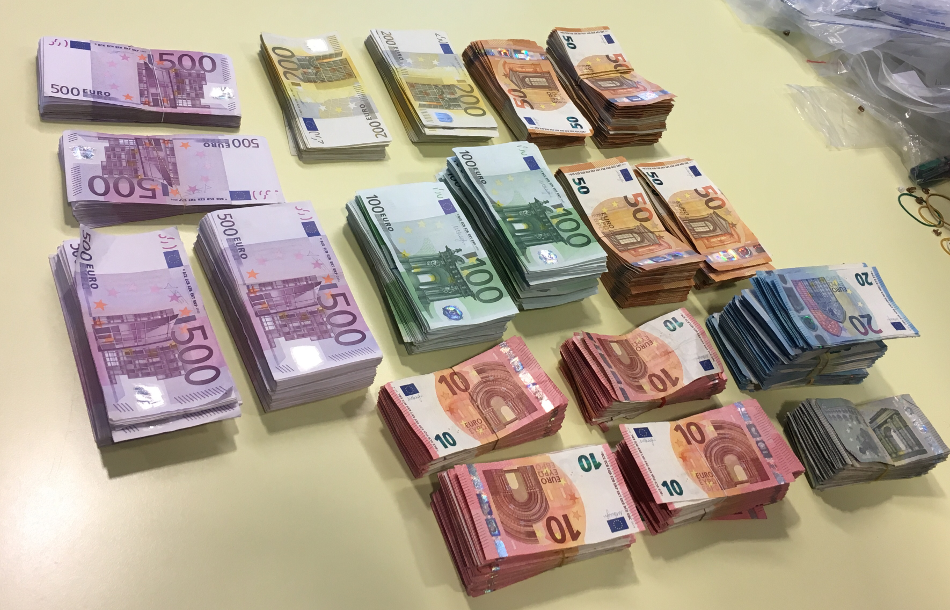
What Is Counterfeit Money?
Counterfeit money describes fake currency that is produced with the intent to trick people, organizations, or banks into accepting it as legitimate tender. Counterfeiting is illegal and can lead to serious charges, including considerable jail time for those captured in belongings or circulation of Counterfeit Money For Sale notes.
Why Counterfeit Money Is a Concern
The proliferation of counterfeit currency can have significant results on the economy. Here are some reasons this issue need to be taken seriously:
Devaluation of Currency: Counterfeit money can lead to inflation, as it increases the overall money supply without any genuine financial backing. When counterfeit bills circulate, they add to the decline of genuine currency, lowering its total worth.
Loss of Trust: The presence of counterfeit currency can deteriorate public rely on banks and the currency system as a whole. As people grow cautious of accepting cash, they may turn to alternative payment approaches, impacting organizations that rely on cash transactions.
Economic Impact: The deal of counterfeit money typically impacts little business owners more badly than bigger corporations. Losses sustained from accepting counterfeit bills can endanger their financial stability, resulting in possible layoffs and company closures.
Kinds of Counterfeit Currency
Counterfeit money can take many kinds, which differ in sophistication. Below are some typical types:
| Type of Counterfeit | Description |
|---|
| Printed Counterfeit | Fake banknotes produced using high-quality printers. |
| Digital Counterfeit | Counterfeit currency developed digitally and printed out. |
| Transformed Currency | Legitimate banknotes that have actually been modified to appear of higher worth. |
| Foreign Counterfeit | Counterfeit currency from foreign countries. |
Strategies Used in Counterfeiting
Counterfeiters utilize various techniques to produce fake money that can often be indistinguishable from genuine bills. Here are some typical approaches:
Lithography: High-quality printing using lithographic techniques imitates the complex details of real currency.
Digital Printing: The usage of high-resolution digital printers enables counterfeiters to produce in-depth recreations of currency.
Whitening: This technique involves removing the ink from lower denomination bills and reprinting them as higher denomination notes.
Paper and Ink: Some counterfeiters attempt to utilize paper similar to that utilized in genuine currency and specialized inks, although couple of reach the specific requirements.
The Impact of Counterfeit Money on Society
Counterfeit currency severely affects numerous sectors of society and the economy. Here are some of the key locations affected by this illicit activity:
1. Federal Government and Law Enforcement
Governments invest billions each year on anti-counterfeiting procedures, including technological advances in currency production. Police and federal companies designate significant resources to fight counterfeiting networks, causing an increased burden on taxpayers.
2. Service Sector
For companies, particularly those that deal greatly in cash deals, the repercussions of counterfeit money can be ravaging. Little merchants and mom-and-pop stores might find themselves victims of counterfeit transactions, suffering significant financial losses.
3. Customers
For consumers, falling victim to counterfeit currency can cause frustration, financial loss, and even legal difficulties if unwittingly purchasing items with fake money.
4. Economic Stability
The total economy can deal with instability if counterfeit money proliferates. Loss of public trust in currency systems can result in a shift to alternative, less regulated types of transaction, affecting monetary stability.
FREQUENTLY ASKED QUESTION: Counterfeit Money
Q1: Is it legal to possess counterfeit money if I do not understand it's fake?
A: No, belongings of counterfeit money, whether or not the owner understands its authenticity, is prohibited. Law enforcement can do something about it versus individuals found with counterfeit bills.
Q2: How can I inform if a bill is counterfeit?
A: Look for the following security features:
- Watermark
- Security thread
- Color-shifting ink
- Microprinting
Q3: What should I do if I find counterfeit money?
A: Report the occurrence to police instantly. Do not attempt to use or return it to a business, as this can result in legal problems.
Q4: Can I get my money back if I receive counterfeit bills from a store?
A: Generally, businesses are not obligated to compensate clients for counterfeit bills they unwittingly got. However, lots of will make exceptions depending on the situations.
Q5: Are there any genuine methods to acquire recreations of currency?
A: Generally, it is legal to have reproductions of currency as long as they follow policies set forth by the U.S. Bureau of Engraving and Printing, which forbids replicating money that is more than 75% of its size.
Protecting Yourself Against Counterfeit Money
Provided the threats connected with counterfeit currency, here are useful actions one can require to secure themselves:
Educate Yourself: Learn about the security features of your currency and make a practice of checking every bill you receive.
Use Technology: Several mobile phone apps, such as money acknowledgment applications, can assist determine counterfeit notes rapidly.
Usage Credit/Debit Cards: When possible, go with electronic transactions rather of cash, which lowers the danger of coming across counterfeit money.
Report Suspicious Activity: Immediately report anything suspicious, whether that's an individual or a transaction, to local police.
Stay Informed: Keep up with news relating to counterfeiting trends to stay aware of the approaches used by lawbreakers.
Counterfeit money is a complex and expanding concern, impacting people, businesses, and economies worldwide. By comprehending the nature of counterfeit currency and taking proactive steps to guard against it, customers can help protect themselves and add to the wider battle versus monetary fraud. In the world of currency exchange, awareness and watchfulness are crucial.