Guide To Cooker Hood Extractor Fans: The Intermediate Guide In Cooker Hood Extractor Fans
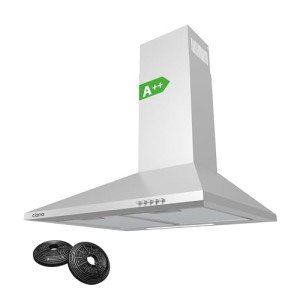
Understanding Cooker Hood Extractor Fans: A Comprehensive Guide
In modern kitchens, keeping a tidy and comfortable environment is paramount for both cooking lovers and everyday home cooks alike. One often-overlooked hero in achieving this goal is the cooker hood extractor fan. These vital devices not only boost the visual of a kitchen but also play a vital role in ensuring a healthy atmosphere by effectively eliminating smoke, odors, and air-borne grease. In this post, we will check out the various types of cooker hood extractor fans, their benefits, installation considerations, maintenance pointers, and much more.
What is a Cooker Hood Extractor Fan?
A cooker hood extractor fan, commonly called a range hood or kitchen hood, is set up above a stove or cooktop to ventilate the cooking area. It works by absorbing cooking fumes, steam, smoke, and odors through filters before recirculating or expelling tidy air back into the kitchen or exterior. These hoods are available in numerous styles, sizes, and functionality, making them an essential part of kitchen style.
Types of Cooker Hood Extractor Fans
Choosing the right type of cooker hood is necessary for ideal kitchen efficiency. Below is a table summing up the different kinds of Cooker Hood Extractor; www.shelasakai.Top, fans:
| Type | Description | Pros | Cons |
|---|
| Wall-Mounted | Mounted on the wall above the cooking surface. | Space-saving, stylish alternatives readily available. | Requires ducting if vented outdoors. |
| Under-Cabinet | Set up underneath kitchen cabinets above the stove. | Discreet, doesn't take up additional space. | Limited extraction power compared to others. |
| Island | Suspended from the ceiling over an island cooktop. | Significant look, effective for open kitchen spaces. | May need extra assistance structures. |
| Downdraft | Withdraws into the counter top when not in use, offering a smooth look. | Seamless design, perfect for minimalist kitchens. | Less effective than standard hoods. |
| Chimney | Features a vertical duct leading to the outside, supplying effective ventilation. | Highly reliable, aesthetically pleasing. | Bulkier style may not suit all kitchens. |
| Recirculating | Filters air and recirculates it back into the kitchen, perfect for spaces without venting. | Easier to install, no outside ducting needed. | Less effective than ducted models. |
Advantages of Cooker Hood Extractor Fans
Purchasing a cooker hood extractor fan uses many benefits for property owners. Some advantages include:
- Improved Air Quality: By eliminating smoke, odors, and grease particles from the air, cooker hoods enhance indoor air quality.
- Improved Cooktop Efficiency: A well-ventilated kitchen permits safer and more efficient cooking, reducing the danger of smoke accumulation and getting too hot.
- Aesthetic Appeal: Modern designs of extractor fans add style and beauty to kitchen decor.
- Humidity Control: By eliminating excess moisture, cooker hoods help prevent the development of mold and mildew.
- Decreased Grease Buildup: Efficient extraction decreases grease build-up on kitchen surfaces, making cleansing simpler.
Installation Considerations
When it pertains to setting up a cooker hood extractor fan, numerous elements require factor to consider:
- Size and Dimensions: Ensure the hood is sufficiently sized to cover the cooking location. The hood needs to preferably be broader than the cooking device.
- Ducting vs. Recirculating: Decide whether to install a ducted (vented to the outdoors) or recirculating (filters and returns air) design based on kitchen layout and local structure codes.
- Height Above Cooktop: Install the hood at the recommended height between the cooktop and the bottom of the hood for ideal performance (generally 24 to 30 inches).
- Electrical and Ventilation Requirements: Check local codes and guarantee that your setup satisfies any necessary electrical and ventilation specs.
Maintenance Tips for Cooker Hood Extractor Fans
To ensure the longevity and effectiveness of cooker hood extractor fans, routine upkeep is essential. Here are some important upkeep ideas:
Clean or Replace Filters: Depending on the type of hood, grease filters need to be cleaned up or replaced routinely to maintain airflow. Metal filters can typically be cleaned, while charcoal filters might require replacement.
Wipe Down the Exterior: Regularly tidy the fan's outside surfaces with moderate soap and water to prevent grease accumulation and keep its appearance.
Inspect Ducting: For ducted models, check for obstructions in the ducting. Ensure that it is free from grease build-up that can restrain air flow.
Test the Functionality: Occasionally evaluate the fan's operation to ensure it is running effectively. Listen for uncommon sounds that might show mechanical problems.
Expert Servicing: Consider having the hood serviced by an expert every couple of years to make sure all parts are functioning properly.
Frequently Asked Questions (FAQ)
1. How do I select the right size cooker hood for my kitchen?The hood size
should generally be wider than your cooking device. For most cooktops, a width of 30 inches is standard, but bigger ranges will require wider hoods.
2. Do I require to set up a ducted or recirculating hood?This choice depends on your kitchen design. If venting to the exterior is possible, ducted hoods are chosen for their performance. If not, recirculating models are a practical option.
3. How typically must I clean my cooker hood filters?This mostly depends on usage, however it's recommended to tidy metal filters each month and change charcoal filters every 6 months for optimum efficiency. 4. Can I set up a cooker hood myself, or do I need a professional?While some house owners might be comfy with DIY installation, it's advised to hire an expert for more complex installations, especially those including ductwork. 5. Will a cooker hood extractor fan minimize kitchen heat?Yes, successfully getting rid of heat, steam, and smoke from cooking assists in regulating kitchen temperature level, creating a more comfortable cooking environment. Cooker hood extractor fans are essential in modern kitchens, enhancing air quality, improving cooking effectiveness, and adding to home aesthetic appeals.
With a variety of options offered, picking the best cooker hood, making sure proper setup, and sticking to maintenance protocols will guarantee this kitchen device serves its function efficiently for many years. Investing in a quality extractor fan is not just a useful option but likewise a step towards creating a healthier cooking environment.