Why Composite Door Hardware Fix Is Your Next Big Obsession?
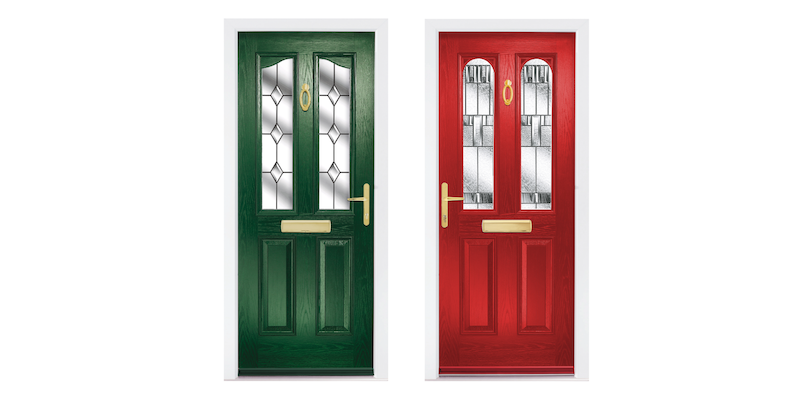
Comprehensive Guide to Composite Door Hardware Fixes
composite door maintenance checklist doors have acquired immense appeal due to their durability, aesthetic appeal, and energy performance. However, like any installation, they can experience hardware problems with time. Understanding how to fix typical issues with composite door latch repair door hardware can conserve house owners both money and time. This blog site post will explore typical hardware concerns, potential fixes, and preventative steps, offering a comprehensive guide for anybody looking to maintain their composite doors.
Understanding Composite Door Hardware
Composite doors integrate numerous products such as PVC, wood, and insulation, producing a robust structure. The hardware elements consist of hinges, locks, deals with, and door frames. Each element plays a critical function in the door's overall functionality.
Common Composite Door Hardware Issues
| Problem | Description | Possible Causes |
|---|
| Misalignment | The door may not close correctly or is hard to open. | Settling, worn hinges, weathering |
| Lock Malfunction | The lock may jam or stop working to engage effectively. | Rust, bad setup, use |
| Handle Problems | The handle might feel loose or unresponsive. | Loose screws, damaged components |
| Weather Stripping Failure | Inadequate sealing causing drafts and leaks. | Wear and tear, incorrect setup |
| Hinges Squeaking | Hinges may produce sound when opening or closing the door. | Lack of lubrication, rust |
Fixing Common Hardware Issues
1. Misalignment
Symptoms: The door sticks, does not close entirely, or develops spaces when shut.Fix: Step
1:
- Inspect the hinges for any visible wear or damage. Step 2: Tighten loose screws
- on the hinges. Action 3: Adjust the position of the
- door by loosening hinge screws somewhat, realigning the door, and retightening. Tools Required: Screwdriver, level.
2. Lock Malfunction Symptoms: Difficulty in turning thesecret, feeling stuck, or
completefailure to engage.Fix: Step 1: Apply graphite lube to the lock mechanism. Step 2: If the problem persists, dismantle the lock
- to clear debris and rust. Step 3: Replace the lock cylinder if
- damaged beyond repair. Tools Required: Lubricant, screwdriver. 3. Handle Problems Signs: Loose handle or unresponsive action.Fix: Step 1: Check the screws protecting the handle.
Step 2: Tightenany loose screws or change them if
removed. Action 3:
If the handle is still problematic, think about changing the handle assembly. Tools Required
- : Screwdriver. 4. Weather Stripping Failure
- Signs: Drafts getting in through gaps, moisture accumulation.Fix: Step 1: Inspect the weather removing for tears or wear. Action 2: Remove old weather removing utilizing an energy knife.
Action 3: Clean the surface area and apply new, self-adhesive weather condition stripping. Tools Required: Utility knife, replacement weather condition removing. 5. Hinges Squeaking Signs: Noise throughout operation, indicating friction or lack oflubrication.Fix: Step 1: Remove any noticeable dirt or particles from the hinges. Step 2: Apply a lubricant specifically created for door hinges(e.g.,silicone spray or oil). Step 3: Move the door backward and forward to disperse the lubricant. Tools Required: Lubricant. Preventative Measures To prevent the requirement for substantial repairs, considerthese preventative steps: Routine Maintenance: Regularly inspect door hardware and carry out small maintenance,such as
- lubricating hinges and tightening up screws. Proper Installation: Ensure professional installation of all elements to decrease positioning concerns. Sealing: Check weather condition stripping and replace it at the start of winter and summertimeseasons to keep energy effectiveness. Prevent Excessive Force: Encourage member of the family to
treat the door gently, avoiding slamming or unneeded force. FAQs Q1: Howoften should I keep my composite folding door repair door hardware? A: It is advisable to perform an inspection
- and maintenance at least two times a year, preferably in spring and fall, to ensure all parts are working effectively. Q2: What type of lubricant is best for door locks? A: Graphite powder is highly recommended as it does not draw in dirt and grime unlike oil-based lubes, which can lead to obstruction. Q3
- : Can I change hardware elements myself? A: Yes, most hardware elements can be replaced by homeowners with standard DIY skills. Just ensure that you have the
- right tools and replacement parts. Q4: What should I do if my door is still misaligned after adjustment? A: If adjustment does not deal with the problem, think about speaking with a professional to inspect for structural problems or to change
malfunctioning hardware. Q5: Is it needed to replace the whole door if the hardware is malfunctioning? A: Not always. A lot of hardware issues can be resolved with repairs or replacement of particularparts. Complete door replacement is generally a last option. affordable composite door repairs door hardware concerns can be a typical event, but many issues can be easily identified and fixed. Regular maintenance not just prolongs the life of the hardware butlikewise guarantees safety and convenience for house owners. Geared up
with this thorough guide, individuals can successfully take on common problems, making the upkeep of composite thermal door repair door repair prices [damaged-Composite-door52073.wikistatement.com] doors a more manageable job.