Three Common Reasons Your Weatherproof Doors Isn't Working (And How To Fix It)
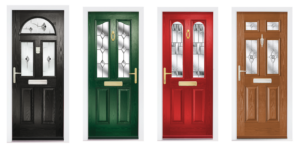
Weatherproof Doors: The Essential Guide for Homeowners
When it concerns home improvement, having the right doors is essential for ensuring your home's safety and convenience. One essential aspect that needs to never be ignored is the weatherproofing of your doors. Weatherproof doors are developed to hold up against the elements, offering you with not just security however likewise energy performance. This post will check out the importance, types, advantages, and frequently asked questions about weatherproof doors.
What Are Weatherproof Doors?
Weatherproof doors are specifically crafted to withstand negative climate condition, such as rain, snow, wind, and temperature variations. These doors are important for preserving a comfortable indoor environment and securing your home from the elements.
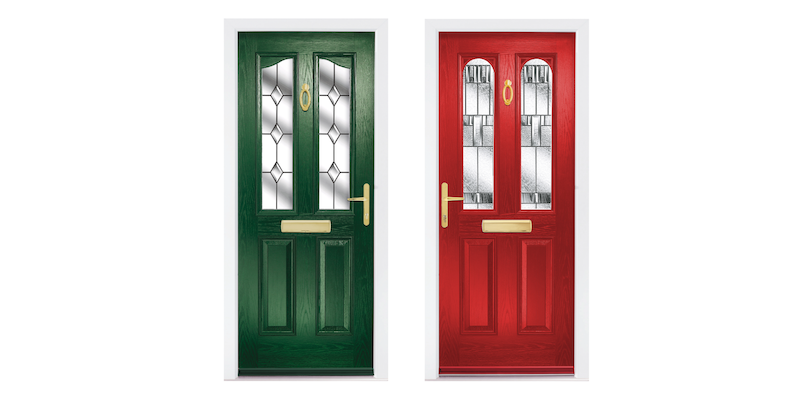
Key Features of Weatherproof Doors
- Sealant Technology: High-quality weatherproof doors featured advanced sealant technology that avoids drafts, moisture seepage, and air leaks.
- Durable Materials: They are made from materials that can endure severe weather condition conditions, such as fiberglass, steel, or specially dealt with wood.
- Insulation: Excellent insulation properties ensure that your home remains energy-efficient, reducing heating & cooling expenses.
Kinds Of Weatherproof Doors
Comprehending the different types of weatherproof doors can assist property owners make notified choices based upon their specific requirements.
| Kind of Door | Product | Advantages | Drawbacks |
|---|
| Fiberglass | Fiberglass | Outstanding insulation, highly resistant to dents. | Can be more costly than wood. |
| Steel | Galvanized Steel | Strong and secure, terrific for security. | Prone to scratches; might rust over time if not dealt with. |
| Wood | Treated Wood | Aesthetic appeal, natural insulation properties. | Needs routine maintenance to prevent warping and rotting. |
| Vinyl | PVC Material | Low maintenance, excellent insulation, cost-effective. | Less durable than fiberglass or steel. |
| Aluminum | Aluminum | Light-weight and corrosion-resistant. | Poor insulation properties unless integrated with other materials. |
Each kind of door has its merits and disadvantages, and the choice depends mainly on individual preference, budget, and specific weather conditions.
Benefits of Weatherproof Doors
Buying weatherproof doors can yield several benefits. Here are some essential benefits:
Energy Efficiency:
- Well-insulated weatherproof doors help in reducing energy costs by preserving the desired indoor temperature.
Enhanced Security:
- Many weatherproof doors, especially steel and fiberglass, deal added security against break-ins.
Security from Weather Elements:
- These doors are created to withstand harsh climate condition, avoiding water damage and seasonal wear and tear.
Increased Home Value:
- Upgrading to quality weatherproof doors can increase the residential or commercial property value of your home.
Sound Reduction:
- High-quality weatherproof doors can likewise minimize external sound, producing a quieter indoor environment.
Selecting the Right Weatherproof Door
When choosing a weatherproof composite door repair advice, think about the list below elements:
- Material: Your choice of product will affect toughness, maintenance needs, and looks.
- Insulation: Look for doors with high R-values for better energy efficiency.
- Weather condition Sealing: Ensure the door has effective weather stripping and seals.
- Style: Choose a design that complements your home's architecture.
- Budget: Determine how much you're prepared to spend, and bear in mind that less expensive does not constantly imply better.
Setup Tips for Weatherproof Doors
The setup process is important for guaranteeing the effectiveness of weatherproof doors. Here are some tips:
- Professional Installation: Hiring a professional can make sure that the composite door repair company door repair crew (Https://fkwiki.win/) is installed properly and functions as intended.
- Correct Measurements: Measure the door frame precisely before purchasing to guarantee the best fit.
- Examine for Level: Make sure the door is level throughout setup to assist in correct sealing.
- Adjust Hardware: Ensure the hinges and locks are set up firmly to avoid air leaks.
- Check Seals: After setup, check the weather seals and change them as needed.
Regularly Asked Questions (FAQs)
1. How do I know if my door is weatherproof?
You can identify a weatherproof emergency composite door repair by looking for insulation, quality seals, and the material used. Manufacturers frequently identify doors as energy-efficient or weather-resistant.
2. Do weatherproof doors cost more than regular doors?
Generally, yes. Weatherproof doors tend to be more pricey due to the innovative materials and technology utilized. However, the long-term savings on energy costs can offset the preliminary investment.
3. How frequently should I keep my weatherproof doors?
The maintenance frequency depends on the products used. Typically, you need to examine them each year for any wear and tear, specifically the seals and hardware.
4. Are weatherproof doors eco-friendly?
Numerous weatherproof doors are made from sustainable products and are created for energy performance, making them a more environmentally friendly option compared to conventional doors.
5. Can I weatherproof my existing doors?
Yes, you can improve the weather condition resistance of existing doors by adding weather condition removing, caulking gaps, and applying storm doors.
Weatherproof doors are a vital element of any home, providing security, energy performance, and security versus the elements. With numerous types and styles readily available, house owners can find the perfect weatherproof door to suit their requirements and budget. Purchasing quality weatherproof doors not only enhances the comfort of your home but also includes worth and resilience, making it a sensible option for any house owner.