Windows And Doors Upvc Tips From The Most Effective In The Industry
Understanding UPVC Windows and Doors: Benefits, Features, and Considerations
In the building and construction and home enhancement world, materials utilized for doors and windows can substantially affect energy effectiveness, looks, and general residential or commercial property worth. Among the various materials available, Unplasticized Polyvinyl Chloride (UPVC) has actually gained immense popularity, particularly for windows and doors. This short article aims to offer detailed insights on UPVC windows and doors, covering their advantages, features, upkeep, and considerations for possible purchasers.
What is UPVC?
UPVC, or unplasticized polyvinyl chloride, is a type of plastic that is widely utilized for making folding window doors and door frames. Unlike routine PVC, UPVC does not include any plasticizers, making it more rigid and durable. This product initially ended up being popular in the 1980s as a synthetic alternative to standard wood frames.
Secret Characteristics of UPVC
- Resilience: UPVC resists deterioration, rot, and warping. This durability makes it appropriate for different environments.
- Low Maintenance: UPVC doors and windows need minimal maintenance compared to wooden counterparts, which need routine painting and sealing.
- Energy Efficiency: UPVC frames feature excellent insulation homes, helping to keep homes warmer in winter season and cooler in summertime.
- Fire Resistance: UPVC is inherently flame-retardant, making sure a level of security for property and commercial properties.
- Sound Insulation: Another significant function is its ability to provide outstanding sound insulation, minimizing external sound pollution.
Benefits of UPVC Windows and Doors
UPVC windows and doors included a wide variety of benefits, making them a favored option for property owners and contractors alike. Below is a thorough list of the benefits related to UPVC items:
1. Energy Efficiency
UPVC frames can help decrease energy costs by reducing heat loss. This causes a more constant indoor temperature and reduced reliance on heating and cooling systems.
2. Visual Versatility
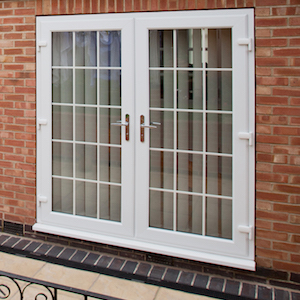
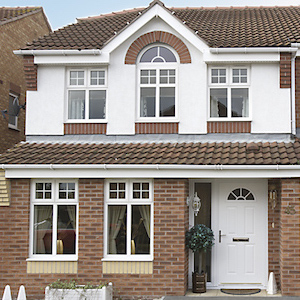
UPVC windows and doors are readily available in numerous designs, colors, and finishes, allowing homeowners to choose designs that match their home's visual.
3. Security Features
Lots of UPVC windows and doors featured multi-point locking mechanisms that improve security, making it challenging for intruders to break in.
4. Eco-Friendly Options
UPVC is recyclable, meaning that old frames can be processed and become new windows and doors products, which contributes positively to ecological sustainability.
5. Cost-Effectiveness
While the preliminary investment in UPVC doors and windows might be greater than basic PVC options, their long life expectancy and low maintenance costs make them an affordable alternative in the long run.
Functions of UPVC Windows and Doors
Design Features
- Personalization: UPVC windows and doors can be customized to fit specific requirements, consisting of size, color, and glazing alternatives.
- Double and Triple Glazing: UPVC alternatives typically include double or triple glazing, which further improves energy efficiency and sound decrease.
Performance Features
- Weather condition Resistance: UPVC is created to withstand heavy rains, strong winds, and UV direct exposure without deteriorating.
- Thermal Insulation: Advanced insulating materials might be added within UPVC frames to enhance their thermal efficiency even further.
Maintenance of UPVC Windows and Doors
While UPVC items need less upkeep than wood, some care is still necessary to ensure durability and efficiency.
Upkeep Tips
- Cleaning: Wipe frames with a moderate cleaning agent and warm water to eliminate dirt and gunk.
- check the seals: Periodically look for wear and tear on seals and gaskets and replace them if needed.
- Lubrication: Regularly lubricate hinges and locks to ensure smooth operation.
Considerations Before Choosing UPVC
Before selecting UPVC doors and windows, potential buyers must keep a number of points in mind:
1. Quality Variances
All UPVC items are not created equivalent. It's necessary to select items from trusted makers that follow industry requirements.
2. Color Fading
Some lower-quality UPVC materials may experience color fading when exposed to extended direct sunlight, so it's important to confirm the UV stability of the item.
3. Installation Costs
Although UPVC frames can conserve cash long-term, installation expenses might differ considerably depending on the complexity of the task and the professional selected.
4. Minimal Historical Aesthetic
For older homes, some property owners may choose the traditional look of wood, and UPVC may not always appropriate for such environments.
5. Environmental Impact
While Upvc windows & doors (175.154.160.23) is recyclable, the production procedure itself can add to carbon emissions. Homeowners ought to weigh the pros and cons of environmental impact against their needs.
FAQs About UPVC Windows and Doors
Q1: Are UPVC doors and windows energy efficient?
Yes, UPVC windows and doors are understood for their energy effectiveness due to their insulating properties, which help preserve indoor temperatures.
Q2: How long do UPVC doors and windows last?
With correct care, UPVC windows and doors can last 20 years or more.
Q3: Can UPVC be painted?
While UPVC surfaces can technically be painted, it's not advised as the paint might peel and reduce the product's natural advantages.
Q4: Are UPVC frames ecologically friendly?
UPVC is recyclable, but its production can have ecological effects. It's worth considering the complete lifecycle of the material.
Q5: Do UPVC windows come with a service warranty?
Yes, reputable producers normally provide warranties on UPVC windows and doors with windows, which can vary in length and protection.
UPVC doors and windows represent a considerable development in modern-day structure materials, using advantages such as energy performance, toughness, and very little maintenance. However, potential buyers should conduct thorough research and speak with specialists before purchasing to ensure they select the finest item for their specific needs. With the right UPVC services, property owners can delight in a mix of functionality and design that boosts both convenience and property value.