Five Essential Qualities Customers Are Searching For In Every Exercise Bicycle
The Exercise Bicycle: A Comprehensive Guide to Indoor Cycling
The exercise cycle home bicycle, frequently known as the stationary bicycle or indoor bike, has actually ended up being a staple in physical fitness routines across the globe. It uses a hassle-free way for people to keep cardiovascular fitness and muscle tone without the requirement for outdoor cycling. This blog site post delves into the numerous kinds of exercise bikes, their benefits, how to choose the best one, and some often asked questions.
Understanding the Types of Exercise Bicycles
exercise bikes home bicycles come in different styles, dealing with various fitness levels and preferences. Below is a table showcasing the primary types of exercise bicycles available on the market.
| Type of Exercise Bicycle | Description | Perfect For | Price Range |
|---|
| Upright Bike | Simulates the feel of a traditional bicycle. | General physical fitness lovers | ₤ 200 - ₤ 700 |
| Recumbent Bike | Functions a bigger seat and back support, suitable for reclining. | Newbies, senior citizens, or those with back issues | ₤ 300 - ₤ 1,200 |
| Spin Bike | Designed for high-intensity period training (HIIT) with a heavy flywheel. | Advanced users & & spin classes | ₤ 300 - ₤ 2,000 |
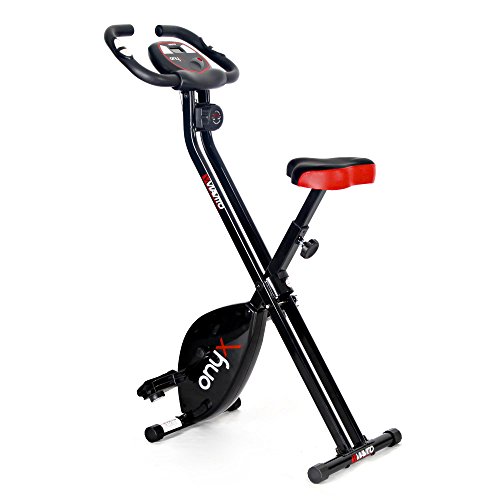
| Folding Bike | Compact and portable, ideal for little spaces. | Those with limited area | ₤ 150 - ₤ 600 |
| Hybrid bike home exercise | Combines functions of upright and recumbent bikes. | Versatile users wanting choices | ₤ 250 - ₤ 1,000 |
Advantages of Using an Exercise Bicycle
Using an exercise bicycle uses many health benefits, making it a valuable addition to any physical fitness program. Here are a few of the primary benefits:
Cardiovascular Fitness: Regular cycling enhances heart health, increases lung capacity, and enhances total cardio endurance.
Weight Management: Cycling burns calories efficiently, assisting in weight reduction or maintenance when combined with a well balanced diet.
Low Impact Exercise: Unlike running or high-impact sports, cycling places less strain on the joints, making it an ideal option for those with injuries or chronic pain.
Muscle Toning: It helps tone the lower body muscles, including the quadriceps, hamstrings, calves, and glutes.
Convenience: The ability to cycle indoors at any time gets rid of weather-related barriers and time constraints.
Mental Health Benefits: Regular exercise releases endorphins, enhancing mood, minimizing stress and anxiety, and improving general psychological health.
Selecting the Right Exercise Bicycle
Selecting the best stationary bicycle can significantly improve the home workout experience. Here are some elements to think about when buying an exercise bicycle:
1. Convenience and Ergonomics
- Examine the seat change choices; a saddle that can be adjusted for height and fore/aft positioning is important for comfort.
- Search for padded seats, particularly for upright and spin bikes.
2. Resistance Levels
- Adjustable resistance allows for varied intensity; magnetic and friction resistance systems are the most common.
3. Size and Space
- Consider your available area and whether you need a foldable model or a more robust stationary bicycle.
4. Innovation and Features
- Many bikes included integrated physical fitness tracking, Bluetooth connectivity, and compatibility with physical fitness apps.
5. Budget
- Set a budget plan; stationary bicycles can range from a couple of hundred to a number of thousand dollars.
6. Warranty and Customer Support
- Try to find brands that use excellent service warranties and dependable consumer service.
| Aspects to Consider | Description |
|---|
| Convenience and Ergonomics | Adjustable seat and cushioned saddle |
| Resistance Levels | Magnetic vs friction resistance systems |
| Size and Space | Dimensions and whether it's foldable |
| Technology and Features | Physical fitness tracking and app compatibility |
| Budget | Rate ranges and financing options |
| Warranty and Support | Brand name dependability and client service |
FAQ: Frequently Asked Questions About Exercise Bicycles
Q1: How long should I use my exercise bicycle daily?
A: For ideal health benefits, go for at least 30 minutes of moderate-intensity cycling most days of the week.
Q2: Can utilizing an exercise bicycle aid with weight loss?
A: Yes, when combined with a healthy diet plan, cycling can effectively assist with weight loss due to its calorie-burning capacity.
Q3: Is an exercise bicycle suitable for beginners?
A: Absolutely! Exercise bicycles can be changed for various resistance levels, making them suitable for beginners and advanced users alike.
Q4: Do I require any special gear to use an exercise bicycle?
A: While special cycling shoes can enhance performance, comfortable workout clothes and helpful shoes are generally adequate.
Q5: How do I preserve my exercise bicycle?
A: Regular maintenance involves cleaning the bike, lubing the chain (if relevant), and looking for loose parts and suitable tension in the resistance system.
Q6: Can I use an exercise bicycle for rehab purposes?
A: Yes, lots of physiotherapists recommend stationary bicycles as a part of rehab programs due to their low-impact nature.
The exercise cycle for home bicycle offers a fantastic way to stay in shape, enhance cardiovascular health, and keep an active lifestyle from the convenience of your home. With a variety of models to pick from, individuals can pick the very best bike to suit their particular physical fitness goals, space, and comfort needs. Whether you're a beginner simply starting your journey or a knowledgeable cyclist, the benefits of cycling are clear. Investing in an exercise bicycle is not simply buying physical fitness devices; it is purchasing your health and well-being.