9 . What Your Parents Teach You About Buy Fake Pounds
The Complex World of Fake Pounds: Understanding the Risks and Implications
Recently, the beauty of buying fake currency, especially fake pounds, has surged. While the appeal of getting rich without significant effort might seem enticing, the reality of this practice is laden with ethical and legal dilemmas. This article aims to supply a detailed summary of fake British pounds, their ramifications, and the prospective consequences of engaging in such activities.
What Are Fake Pounds?
Fake pounds describe counterfeit British currency that is produced unlawfully, intending to imitate real banknotes. The factors behind counterfeit currency production can vary from monetary desperation to arranged crime. The sheer elegance of some counterfeits can make them challenging to detect for the untrained eye, leading lots of to fall victim to rip-offs or even end up being unwitting accomplices.
Comprehending Counterfeit Currency
Counterfeit money can take two primary kinds:
- High-quality Counterfeit: These notes are produced utilizing innovative printing methods and materials that are incredibly similar to authentic currency.
- Low-quality Counterfeit: Produced with less advanced equipment, these notes typically have visible flaws that can be quickly found by the typical person.
| Kind of Counterfeit | Description | Detection Difficulty |
|---|
| High-quality | Advanced, resembles authentic cash | High |
| Low-quality | Basic, recognizable defects | Low |
Why Do People Buy Fake Pounds?
Understanding the motivation behind the purchase of fake pounds can shed light on the wider social and financial concerns at play.
Inspirations:
- Financial Gain: People might believe that they can buy fake pounds at a lower price and after that use them for transactions, successfully creating an earnings.
- Desperation and Poverty: Individuals facing monetary battles might resort to counterfeit currency as a quick repair.
- Peer Pressure: Some individuals may feel compelled to take part in prohibited transactions due to social circles or peer groups.
- Absence of Awareness: Many individuals may not fully understand the implications of using counterfeit currency and see it as a harmless act.
Legal Consequences of Purchasing Fake Pounds
Engaging in the purchase or circulation of counterfeit currency is prohibited in the UK, punishable by severe charges. Dangers include:
- Fines: Depending on the seriousness of the crime, fines can be considerable.
- Imprisonment: Serious offenses may result in jail time for a number of years.
- Wrongdoer Record: A conviction for counterfeiting will lead to a long-term rap sheet, impacting future employment potential customers and more.
| Repercussion | Description |
|---|
| Fines | Possible considerable financial penalties |
| Imprisonment | Jail time differs depending on severity |
| Crook Record | Permanent mark affecting future opportunities |
The Real Cost of Buying Fake Pounds
While the preliminary investment might appear low and the returns high, the long-term costs far exceed any prospective advantages. The list below elements add to this:
- Legal Ramifications: As gone over, the legal effects can be devastating.
- Financial Losses: Many who purchase counterfeit currency often end up losing money.
- Social Stigma: Being captured can result in loss of social status and relationships.
- Mental Impact: The stress and anxiety of engaging in unlawful activities can take a toll on mental health.
How to Identify Counterfeit Pounds
For those who might inadvertently encounter counterfeit currency or might even be lured to buy, it's essential to know how to recognize fake pounds.
Secret Features of Authentic British Pounds:
- Watermarks: Genuine banknotes have a watermark that is noticeable when held up to the light.
- Security Thread: A thin strip that goes through the banknote can be seen when seen from different angles.
- Microprinting: Tiny text that can be discovered somewhere on the banknote that is hard to duplicate.
- Color-changing Ink: Certain denominations change color when slanted.
| Function | Description |
|---|
| Watermark | Visible when held to light, ought to be clear |
| Security Thread | Thin strip embedded in the note, can not be easily duplicated |
| Microprinting | Text printed that can just be seen with a magnifying glass |
| Color-changing Ink | Ink that alters color at different angles |
Often Asked Questions (FAQs)
1. Is it legal to buy fake pounds?
No, it is unlawful to buy or sell counterfeit currency in the UK. Engaging in these deals can cause severe legal effects.
2. What should I do if I unwittingly get a fake pound?
If you believe you have actually received counterfeit money, do not try to spend it. Rather, take it to a local bank or the police to report the issue.
3. How typical is fake currency in the UK?
The UK has seen a reduction in counterfeit currency over recent years due to improved security functions on banknotes and increased enforcement versus counterfeiters. However, it still exists and can be found.
4. Can I merely refuse counterfeit currency?
While you can decline to accept counterfeit currency, it's necessary to make sure that genuine currency is in flow. Constantly examine banknotes when carrying out deals.
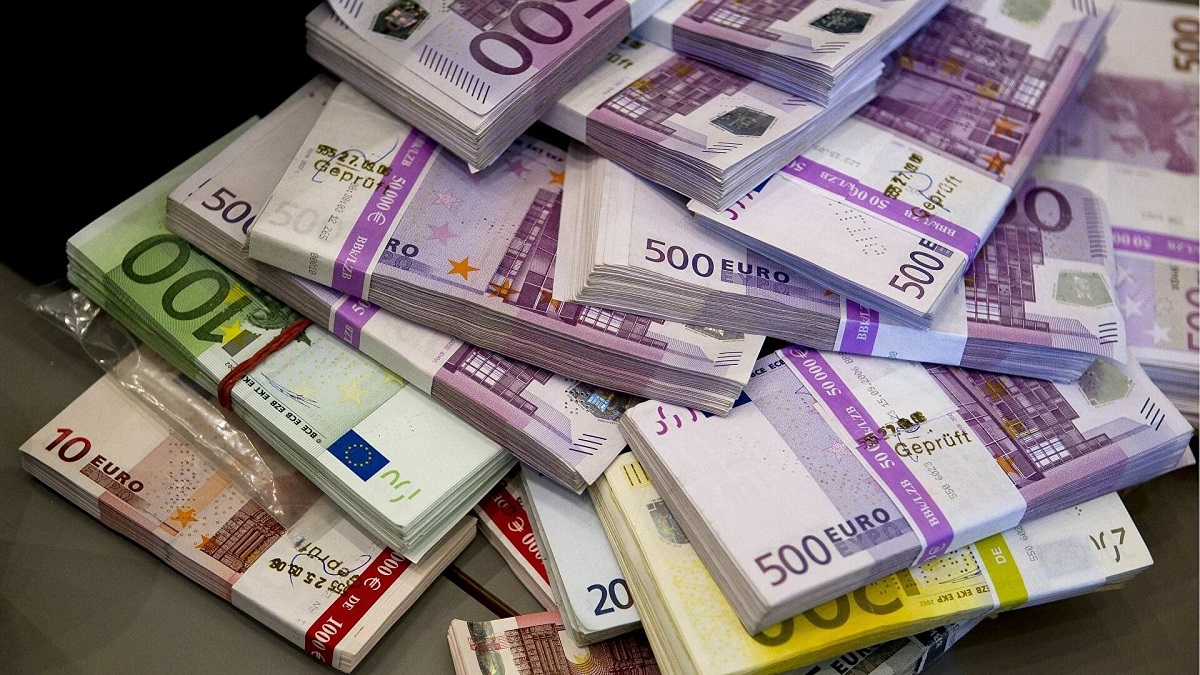
The temptation to buy fake pounds can be strong, provided the allure of monetary gain with minimal effort. Nevertheless, the dangers and effects far surpass the prospective benefits. Participating in counterfeit currency activities is not only unlawful but can cause severe personal, financial, and legal repercussions. One need to weigh the allure of simple money versus the difficult realities of the law and personal integrity.
Education and awareness on this subject are important. It is advisable to comprehend the ramifications and to stick to legal and ethical standards to avoid dangerous situations. Ultimately, the integrity of currency is vital for a stable economy, making the battle versus counterfeiting everybody's responsibility.