Fascia Installation Tools To Improve Your Daily Lifethe One Fascia Installation Trick That Every Person Should Know
Understanding Fascia Installation: A Comprehensive Guide
Fascia is an important component of roofing systems, frequently ignored but essential for both the visual appeal and structural stability of a home. This post will delve into the ins and outs of fascia installation, covering materials, techniques, advantages, and typical questions to help property owners and contractors alike understand the significance of fascia in property building and construction.
What is Fascia?
Fascia refers to the board that runs along the edge of the roofing system, linking the roof to the exterior walls of a home. It is typically set up ideal beneath the roofline and frequently helps to support the bottom row of roofing tiles or shingles. Beyond its structural function, fascia works as a visual element, supplying an ending up touch that improves the total appearance of the structure.
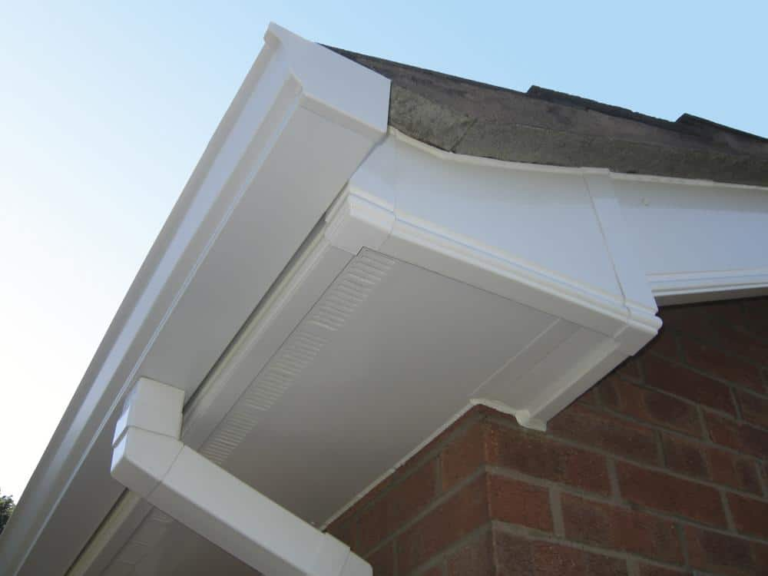
Why is Fascia Important?
Fascia plays numerous important functions in a roof:
- Aesthetic Appeal: Fascia boosts the visual appeal of a home by offering a clean, ended up edge to the roofline.
- Structural Support: It supports the lower shingles and roofing system overhangs, contributing to the overall stability of the roofing system.
- Protection from Elements: Fascia helps protect the rafters and other structural components from moisture and insects, decreasing the danger of rot and damage.
- Gutter Attachment: Gutter systems are frequently fastened to the fascia, assisting to handle water overflow and safeguard the structure of the home.
Fascia Installation Process
Installing fascia is not an extremely made complex job, however it does need cautious attention to information and accuracy. Here's a detailed guide to fascia installation.
Products Needed
| Product | Description |
|---|
| Fascia Board | Select from wood (cedar, pine), vinyl, or aluminum |
| Nails or Screws | Galvanized or stainless steel for weather resistance |
| Caulk or Sealant | Silicone caulk for sealing joints and spaces |
| Safety Gear | Gloves, safety glasses, and construction hats |
| Tool Kit | Hammer, saw, determining tape, level, and drill |
Step-by-Step Installation
- Preparation: Remove any old fascia boards carefully. Inspect the hidden structure for damage and make required repairs.
- Procedure and Cut: Measure the length required for the fascia boards and cut them to size. Make sure that the cuts are straight and lined up.
- Connect the Fascia Board Replacement Board: Position the fascia board against the structure, ensuring it is level. Protect it to the rafters utilizing nails or screws, leaving a small space for growth.
- Seal Joints: Use caulk or sealant to fill any spaces or joints to prevent wetness build-up.
- Trim and Finish: If necessary, trim the edges for a clean finish. Paint or stain the fascia board as preferred to enhance its appearance and soffit and fascia Services extend its life expectancy.
Types of Fascia Materials
Choosing the ideal product for fascia is important for looks and durability. Here is a list of common materials used in fascia installation:
Wood:
- Pros: Easily personalized, natural appearance.
- Cons: Prone to rot and requires regular maintenance.
Vinyl:
- Pros: Low maintenance, resistant to rot and pests.
- Cons: Limited color options, can fade with time.
Aluminum:
- Pros: Durable, rust-resistant, offered in a variety of colors and styles.
- Cons: More expensive than wood or vinyl.
Composite:
- Pros: Environmentally friendly, combines the benefits of wood and artificial products.
- Cons: Higher preliminary expense, might need specific tools for installation.
Benefits of Proper Fascia Installation
Appropriate installation of fascia uses many advantages:
- Extended Roof Lifespan: Protecting the roofing structure from water damage increases its durability.
- Energy Efficiency: Properly installed fascia can help enhance insulation and minimize energy expenses.
- Suppress Appeal: Enhancing the visual aspect of a home can increase its value and attractiveness to prospective buyers.
Typical FAQs About Fascia Installation
Q1: How often need to fascia be replaced?A: The lifespan of fascia depends upon the material utilized, however it normally lasts between 10-20 years. Routine examinations can assist identify any damage early. Q2: Can I install fascia myself?A: Yes, fascia installation can be
a DIY project for those with standard woodworking skills, though hiring a professional is suggested for bigger homes or complicated rooflines. Q3: What indications indicate fascia damage?A: Look for visible sagging, rot, discoloration, or spaces where the fascia meets the roofing. These can indicate that repairs or replacements are needed. Q4: Is paint necessary for wooden fascia?A: Yes, painting or staining wooden fascia secures it from wetness and UV damage, extending its lifespan.
Q5: Can fascia be set up without getting rid of gutters?A: In some cases, it's possible to install fascia without getting rid of rain gutters, however it might require extra care and ability. It's typically easier to get rid of andre-install gutters during fascia Replacement Fascia Boards. Fascia installation is an
essential part of home building and maintenance that affects both functionality and aesthetics. Comprehending the importance of fascia, the materials available, and the proper installation technique can empower homeowners and specialists to make educated decisions. By buying quality products and craftsmanship, one can guarantee that the fascia boosts the home's appeal while supplying long lasting protection. Whether you pick to tackle the installation yourself or work with a professional, the significance of fascia should never ever be undervalued in any roofing task.