The 10 Scariest Things About French Door Locks
Understanding French Door Locks: A Comprehensive Guide
French doors are a popular option for homeowners looking to develop a seamless transition between indoor and outdoor spaces. While they enhance visual appeal and natural light, they also present distinct security obstacles. Among the important parts of guaranteeing the safety of your home and household is choosing the right locks for French doors. This blog site post will explore the different kinds of French door locks, their functions, installation processes, and maintenance tips.
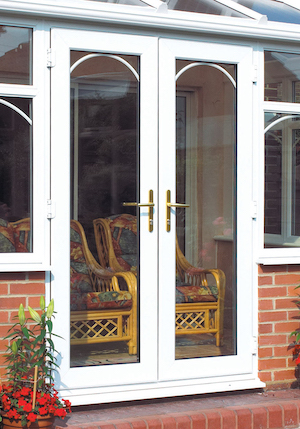
Overview of French Door Locks
French doors generally consist of 2 hinged panels that open outside or inward and can be protected with different locking mechanisms. Choosing the right lock is crucial, as it impacts both security and ease of use. Below, we will take a look at the different kinds of locks offered for French doors.
Table 1: Common Types of French Door Locks
| Type of Lock | Functions | Pros | Cons |
|---|
| Deadbolt Lock | A strong lock that needs a key for locking and unlocking. | High security, resilient. | Requires professional installation. |
| Multi-Point Lock | Secures the door at multiple points along the frame. | Improved security, simple to use. | Can be expensive. |
| Hook Bolt Lock | A system that hooks into the frame. | Strong security, elegant design. | Installation may be intricate. |
| Sliding French Door Repairs Bolt Lock | An easy bolt system that slides into a bracket. | Cost effective, easy to set up. | Less safe than other types. |
| Keyless Entry Lock | Utilizes a keypad or clever innovation for access. | Convenient, no keys needed. | Battery replacement required. |
Factors to Consider When Selecting French Door Locks
When picking the right lock for French Door Professional doors, several aspects must be taken into account:
Security Level: Different locks offer differing levels of security. Deadbolts and multi-point locks are normally advised for greater security needs.
Relieve of Use: Consider how often the doors will be utilized. Keyless entry locks use benefit, specifically for high-traffic locations.
Aesthetics: The design of the lock need to match the general design of the French doors.
Installation: Some locks need professional installation, while others are user-friendly and can be set up by homeowners.
Rate: Locks vary in rate based upon functions and brand. Set a budget and compare options within that variety.
Installation of French Door Locks
Installing locks on French doors can be uncomplicated or complicated, depending upon the type of lock selected. Below is a basic guide to the installation procedure:
Gather the Necessary Tools: Common tools consist of a screwdriver, drill, measuring tape, and a level.
Eliminate Existing Hardware: If replacing existing locks, carefully eliminate them without harming the door frame.
Position the New Lock: For deadbolts and multi-point locks, measure the correct height and mark the areas for drilling.
Drill Holes: Use a drill to produce holes for the locking mechanism and screws.
Set up the Lock: Follow the manufacturer's instructions for protecting the lock in place. Ensure it is aligned properly for smooth operation.
Test the Lock: After installation, test the lock to guarantee it operates correctly and securely.
Table 2: Installation Steps for Common French Door Locks
| Action | Deadbolt Lock | Multi-Point Lock | Hook Bolt Lock |
|---|
| Measure and Mark | Yes | Yes | Yes |
| Drill Holes | Yes | Yes | Yes |
| Position the Lock | Focused in the door edge | Generally on top and bottom | At the suitable height |
| Secure the Lock | With screws offered | Includes numerous points for screws | With existing hardware |
| Check the Lock | Confirm operation with the key | Ensure all points engage | Check hook engagement |
Maintenance Tips for French Door Locks
To ensure the durability and performance of French door locks, routine maintenance is important. Here are some tips to bear in mind:
Regular Inspection: Periodically check the locks for wear and tear, and ensure that they are operating efficiently.
Lubrication: Use a silicone-based lube to keep the locking system working appropriately. Prevent using oil-based lubes, as they can attract dirt and grime.
Tidy the Surrounding Area: Keep the location around the locks clean to avoid particles from interfering with their operation.
Change Batteries: For keyless entry locks, keep an eye on battery life and replace batteries without delay to avoid being locked out.
Professional Servicing: If a lock is malfunctioning or if you're uncertain about the maintenance, consider working with a locksmith for professional maintenance.
Frequently Asked Questions (FAQ)
Q1: Are French Door Locks, https://Frenchdoorlocks70073.Wikirecognition.Com, different from regular door locks?A1: Yes, French door
locks are designed particularly to protect double doors, typically featuring distinct systems such as multi-point locking systems. Q2: How do I know which lock is best for my Frenchdoors?A2: Assess your security requires, budget, and personal preference for visual appeals and ease of usage. It's an excellent concept to consult with a locksmith professional for recommendations based upon your particular scenario. Q3: Can I set up a lock on my French Door Technicians doors myself?A3: Many locks can be set up by property owners with fundamental toolsand DIY skills. Nevertheless, intricate locks like multi-point
systems may need professional installation for ideal security. Q4: What if the lock on my French door gets stuck?A4: If a lock becomes stuck, avoid forcing it. Look for particles or misalignment. Lubrication may assist
, however if the problem persists, seek advice from a professional locksmith. Q5: Are clever locks a good choice for French doors?A5: Yes, clever locks provide benefit and boosted security. They can be particularly useful for families or anybody who oftenuses the doors, however it's essential to guarantee compatibility with your specific French door setup. Picking the ideal locks for French doors is an important aspect of home security. Understanding the different types of locks, installation processes, and maintenance tips can assist homeowners make informed decisions to protect their homes. With the proper locks in location, French doors can provide not only charm and accessibility but also comfort.