A Provocative Rant About Ovens & Hobs
An In-Depth Guide to Ovens and Hobs: Choosing the Right Appliances for Your Kitchen
When it comes to equipping a kitchen, ovens and hobs are considerable gamers. These appliances not just dictate the efficiency of cooking processes but likewise add to the overall visual and functionality of the kitchen environment. This short article will explore the various kinds of ovens and hobs, their features, and factors to consider to keep in mind when making a purchase, along with useful FAQs to help readers gain a deeper understanding of these necessary kitchen devices.
Understanding Ovens
Ovens are developed to prepare food using heated air. They come in various types, each with unique functionalities.
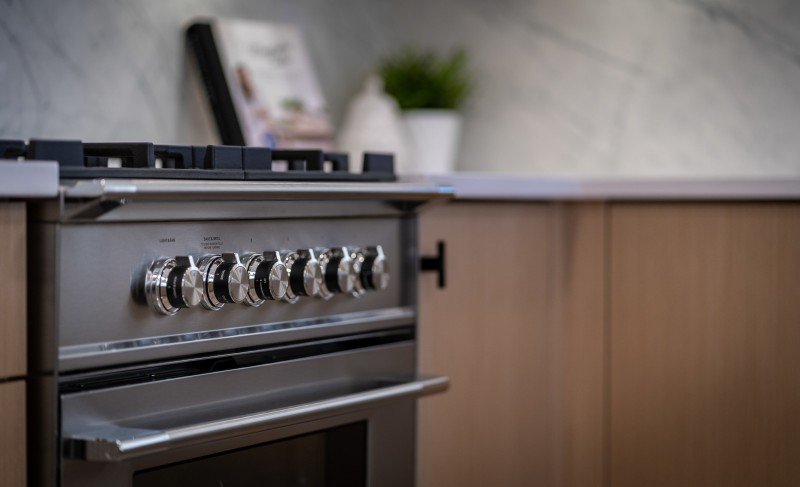
Kinds of Ovens
Standard Ovens: These are the most common types. They use a heating aspect at the bottom, which heats the air inside the oven.
Convection Ovens: Equipped with a fan and exhaust system, convection ovens distribute hot air uniformly around the food, resulting in quicker and more even cooking.
Microwave Ovens: These utilize electro-magnetic waves to heat food. They are ideal for reheating and preparing food in minutes.
Steam Ovens: These utilize steam for cooking, which helps retain wetness in foods and protect nutrients.
Wall Ovens: Built into kitchen walls, these ovens save space and often come geared up with advanced features.
Double Ovens: These consist of two separate oven compartments, enabling for numerous dishes to be cooked simultaneously at different temperatures.
Secret Features to Consider in Ovens
When picking an oven on sales, consumers need to think about the following features:
Size: Ensure that the oven suits your kitchen area while accommodating your cooking requires.
Oven Capacity: Depending on family size and cooking practices, larger capabilities may be needed.
Temperature Range: A wider variety enables flexible cooking methods.
Energy Efficiency: Look for energy-efficient models to save money on energy expenses.
Smart Technology: Many contemporary ovens use Wi-Fi connectivity and programmable features for benefit.
Exploring Hobs
Hobs, or cooktops, are essential for stovetop cooking. They can be varied based on their heating techniques and functions.
Types of Hobs
Gas Hobs: These use gas flames for cooking and supply instant heat, making it easier to manage temperature levels.
Electric Hobs: These use electric coils or a glass-ceramic surface for cooking. They are frequently much easier to clean and keep.
Induction Hobs: Using electromagnetic fields, induction hobs warm up just when compatible pots and pans is put on them, making them energy-efficient and much safer.
Dual-Fuel Hobs: Combining gas and electric ovens and hobs components, dual-fuel hobs provide the best of both cooking techniques.
Secret Features to Consider in Hobs
When acquiring a hob, think about these features:
Number of Burners: Depending on cooking requirements, customers might choose hobs with multiple burners.
Size: Ensure it fits well with your readily available kitchen counter space.
Security Features: Look for automated shut-off and kid lock functions for included security.
Alleviate of Cleaning: Smooth surfaces tend to be much easier to tidy than conventional coils.
Ovens and Hobs Comparison Table
| Feature | Oven Type | Hob Type |
|---|
| Cooking Method | Baking, Roasting, and so on. | Boiling, Frying, etc. |
| Preheat Time | Differs | Instantaneous for Gas |
| Temperature level Control | Thermostat | Manual/Knob |
| Energy Efficiency | Energy ranking varies | Depend upon type |
| Cleaning up Flexibility | Self-cleaning choices | Smooth vs. Coiled |
| Smart Features | Wi-Fi, App control | Restricted features |
Often Asked Questions (FAQs)
1. What is the difference between a standard oven and a stove?
Traditional ovens count on heating components, while stove utilize a fan to distribute hot air for more even cooking.
2. Are induction hobs safe for households?
Yes, induction hobs are considered safer as they just warm up when cookware is put on them and cool off quickly once gotten rid of.
3. How do I clean my oven successfully?
Self-cleaning functions can streamline this process, however for manual cleaning, utilize a sodium bicarbonate and vinegar paste to help remove difficult discolorations.
4. Is it worth buying a double oven?
For those who regularly prepare big meals or enjoy baking numerous dishes simultaneously, a double oven Uk can be extremely advantageous.
5. What size hob should I acquire?
This mainly depends upon your cooking requirements and readily available counter area. Typical sizes consist of 60cm and 90cm hobs.
Selecting the ideal oven and hob is important for any kitchen. Each type comes with its unique features fit for various cooking needs and styles. Understanding the differences between ovens and hobs, along with their particular functionalities, can help consumers make informed decisions. As innovation advances, more choices are readily available that combine efficiency and functionality, guaranteeing that cooking remains an enjoyable and efficient part of daily life. In choosing devices that best fit your cooking style, you can change your kitchen into a hub of culinary creativity.