See What Home Exercise Bikes Tricks The Celebs Are Using
The Ultimate Guide to Home Exercise Bikes: Choosing, Using, and Maximizing Your Investment
With the increase of home fitness culture, many people are turning to exercise bikes as a hassle-free way to get their cardio workouts in without leaving your house. Whether for weight reduction, muscle toning, or enhancing cardiovascular health, stationary bicycle offer a versatile and effective physical fitness service. This post will check out the numerous types of home exercise bikes, their benefits, and suggestions on how to pick the ideal one for your needs. Additionally, we will explore some vital aspects of using exercise bikes efficiently and address typical questions to improve your experience.
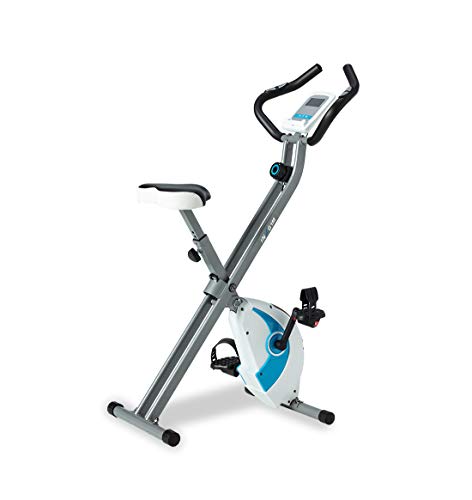
Types of Exercise Bikes
When it concerns home stationary bicycle, there are a number of types to think about. The ideal option for you depends on your physical fitness objectives, budget plan, and offered space. Here's a contrast of the primary kinds of exercise bikes:
| Type of Exercise Bike | Description | Pros | Cons |
|---|
| Upright Bike | A conventional bicycle style where riders sit upright. | Compact, typically more economical | May be uneasy for long rides |
| Recumbent Bike | Functions a larger seat and back assistance, enabling the rider to sit more reclined. | Comfortable for long period of time, simpler on the joints | Takes up more space, often pricier |
| Spin Bike | Designed for high-intensity period training (HIIT) with a heavier flywheel and adjustable resistance. | Imitates road biking, fantastic for intense workouts | Less comfortable, limited adjustability |
| Dual-Action Bike | Combines upper and lower body exercises by featuring moving handlebars. | Full-body exercise, flexible | May require more coordination, typically bigger |
Health Benefits of Using an Exercise Bike
Utilizing a stationary bicycle can supply numerous physical and psychological health benefits:
Improved Cardiovascular Health: Regular biking reinforces the heart and lungs, promoting better flow and boosted endurance.
Weight Management: Cycling can burn a significant quantity of calories, assisting in weight reduction or upkeep when integrated with a healthy diet.
Low-Impact Exercise: Exercise bikes are kinder to the joints than running or other high-impact workouts, making them appropriate for individuals of all physical fitness levels.
Convenience: Exercising in your home gets rid of travel time to the health club, permitting individuals to fit workouts into their hectic schedules.
Adjustable Workouts: Most exercise bikes come with adjustable resistance settings, allowing users to tailor their workouts according to their fitness levels and objectives.
Choosing the Right Exercise Bike
Choosing the best exercise bike involves thinking about a number of elements:
1. Area
- Step the area where you prepare to keep your bike. Guarantee there's enough space for the bike itself and space around it for safe motion.
2. Type of Workout
- Identify the kind of exercise you desire. Are you thinking about light cycling, extreme spin workouts, or healing riding?
3. Convenience and Ergonomics
- Search for an adjustable seat and handlebars to guarantee your bike fits your body and supplies comfort during longer sessions.
4. Features
- Think about extra functions such as built-in exercise programs, heart rate screens, and connectivity to physical fitness apps for a more interesting experience.
5. Spending plan
- Set a budget based on the features you require and research options within that price variety. Exercise bikes can range from a number of hundred to a number of thousand dollars.
Utilizing an Exercise Bike Effectively
To optimize the benefits of your exercise bike, follow these guidelines:
1. Warm-Up and Cool Down
- Constantly begin with a 5-- 10 minute warm-up at a low resistance to prepare your muscles and avoid injury. Similarly, cool down after your exercise with a slow-paced cycle.
2. Proper Form
- Keep your back straight, shoulders relaxed, and do not lean too heavily on the handlebars. Adjust the seat height so that your knees are somewhat bent at the bottom of the pedal stroke.
3. Differ Your Workouts
- Incorporate intervals, resistance modifications, and different cycling positions to keep your workouts engaging and challenging.
4. Display Your Progress
- Utilize any built-in tracking functions to watch on your speed, distance, calories burned, and heart rate. This information can help you adjust your objectives.
5. Stay Hydrated
- Keep water within reach and stay hydrated during your workouts, specifically throughout intense sessions.
Frequently Asked Questions (FAQ)
Q1: How typically should I utilize my exercise bike?
Aim for at least 150 minutes of moderate-intensity cardio each week, which can be easily spread out over several sessions.
Q2: Can I drop weight utilizing a stationary bicycle?
Yes! With a consistent workout regimen and a balanced diet plan, you can effectively reduce weight by burning calories through cycling.
Q3: Do I need special shoes for a spin bike?
While unique biking shoes can improve your experience (particularly if your bike has clipless pedals), they are not strictly essential. Comfortable athletic shoes are sufficient for most users.
Q4: What is the distinction between a recumbent bike and a spin bike?
Recumbent bikes supply a reclined position and are typically more comfy, while spin bikes are more matched for extensive workouts and mimicking outdoor biking conditions.
Q5: How do I keep my exercise bike kept?
Regularly look for any loose bolts or parts, tidy the bike after usage, and follow the maker's upkeep standards for optimum efficiency.
Investing in a home exercise bike can be a transformative decision for anybody seeking to improve their fitness routine. With various types available, comprehending their benefits and limitations is crucial to making an informed option. By following tactical use suggestions and preserving the bike appropriately, users can optimize their financial investment and delight in a healthier way of life from the comfort of their home. Whether you're a casual rider or an extreme bicyclist, a home stationary bicycle uses an accessible and effective path to attaining your physical fitness goals.