The 10 Most Scariest Things About Buy Counterfeit Cash
Understanding Counterfeit Cash: The Risks and Realities of Buying and Using Fake Currency
Counterfeit cash has been a consistent issue throughout history, with counterfeiters constantly discovering brand-new methods to replicate real currency. In this post, we explore the world of counterfeit cash, the reasons individuals might consider purchasing it, the dangers included, and detailed insights into the legal and moral implications of such activities.
What is Counterfeit Cash?
Counterfeit cash describes fake currency produced with the intent to deceive and defraud. Counterfeiters aim to produce money that carefully resembles real currency, making it tough for the typical individual to compare genuine and fake notes. The production and distribution of counterfeit cash is a criminal offense worldwide, and those caught participating in these activities deal with serious penalties.
Table 1: Historical Overview of Counterfeit Cash
| Year | Significant Incident | Description |
|---|
| 1862 | U.S. Greenbacks presented | To combat counterfeiting during the Civil War. |
| 1920s | Increase of orderly criminal offense | Counterfeiting entered into mob activities in the U.S. |
| 1950s | Introduction of anti-counterfeiting measures | U.S. introduced brand-new currency features to thwart counterfeiting. |
| 2000s | Digital Counterfeiting | Advances in technology permit high-quality reproductions. |
Why Would Individuals Consider Buying Counterfeit Cash?
1. Financial Gain
Some individuals may view counterfeit money as a fast course to financial gain, particularly those looking to exploit the loopholes within the economy. Nevertheless, this compromise on principles typically leads them into dangerous criminal activity.
2. Interest and Novelty
Sometimes, individuals might be curious about counterfeit currency or may wish to own a piece of artwork that resembles currency. This is particularly real for collectors, but it is vital to keep in mind that owning counterfeit cash-- even if not used for transactions-- can still present legal concerns.
3. Economic Hardship
During durations of financial trouble, some might consider turning to counterfeit cash as a desperate step to reduce monetary pressures.
Table 2: Motivations Behind Counterfeiting
| Motivation | Description |
|---|
| Financial Gain | Making money illegally through deceptiveness. |
| Interest | Interest in the production or collection of fake currency. |
| Economic Hardship | Desperation leading people to unlawful methods for survival. |
The Risks of Buying Counterfeit Cash
Purchasing counterfeit cash features significant risks that can have serious effects. Here are a few of the main risks:
1. Legal Consequences
One of the most substantial risks related to purchasing counterfeit cash is the legal implications. In many jurisdictions, the purchase or belongings of counterfeit currency is a felony, resulting in jail time and substantial fines.
2. Financial Loss
Individuals who roam into the counterfeit market might discover themselves being scammed. Deceitful sellers may sell fake counterfeit cash, leading buyers to lose money with no option.
3. Moral Implications
Beyond the legal and monetary implications, there are serious ethical considerations when purchasing counterfeit cash. Stealing worth from the economy weakens trust and can add to more comprehensive economic damage.
Table 3: Consequences of Engaging with Counterfeit Cash
| Effect | Description |
|---|
| Legal Punishment | Potential jail time and fines. |
| Financial Loss | Risk of being defrauded by counterfeit vendors. |
| Moral Dilemma | Ethical concerns about supporting illegal activities. |
How to Identify Counterfeit Cash
For those who may accidentally enter contact with counterfeit cash, understanding how to determine it is important. Here are several key features to examine:
1. Watermark
Real currency includes a watermark that is noticeable when held up to light. Counterfeit notes frequently lack this function or have an improperly developed replica.
2. Security Thread
Many modern-day banknotes include a security thread that is embedded into the paper. The thread must show up on both sides of the note.
3. Color-Shifting Ink
Numerous currencies feature color-shifting ink that changes color when the note is slanted. Counterfeiters typically have a hard time to replicate this impact.
4. Great Print and Detail
Real notes have detailed styles with fine information that are difficult to reproduce. Counterfeit notes generally reveal blurring or a lack of complexity in design.
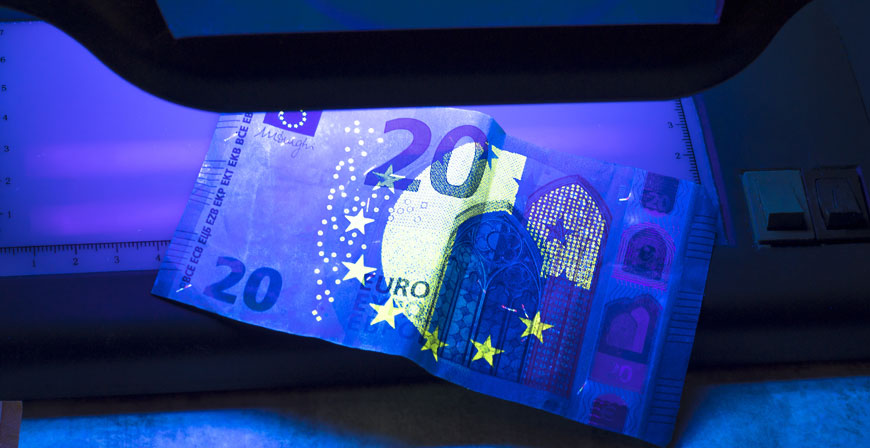
List of Features to Check for Authenticity
- Watermark visibility
- Presence of a security thread
- Color-shifting ink
- Small print and information clearness
- UV ink includes
Regularly Asked Questions (FAQ)
1. What are the laws surrounding counterfeit cash?
Counterfeiting laws differ by country, but typically, producing, distributing, and possessing counterfeit currency is prohibited and causes major implications.
2. Can I report somebody selling counterfeit cash?
Yes, you can report suspected counterfeit activities to regional police or relevant monetary regulative bodies. Always focus on security and legal compliance.
3. How can I ensure I receive genuine cash?
Constantly deal with trustworthy institutions when performing deals, and examine the features of the currency you receive before accepting it.
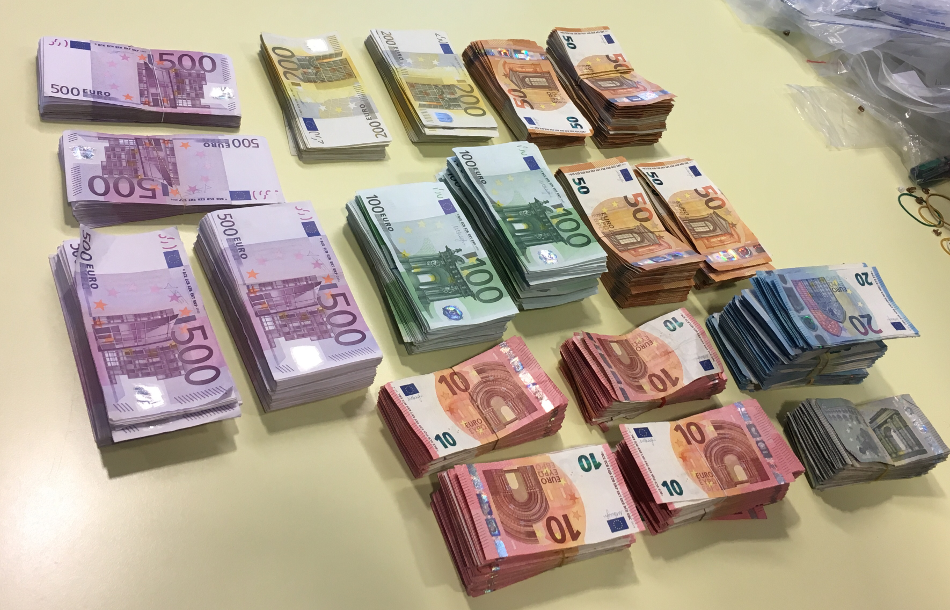
4. What should I do if I receive counterfeit cash?
If you suspect that you've gotten counterfeit cash, do not attempt to pass it along. Rather, report it to your local authorities and turn the note into them.
In summary, while the appeal of Buy Counterfeit Cash cash might draw in people for numerous reasons, the dangers and effects heavily outweigh any potential benefits. Understanding counterfeit cash, its risks, and the dark world surrounding its trade is vital for fostering a responsible and law-abiding society. Eventually, the very best approach to financial stability and security is to engage within the legal economy and prevent the treacherous waters of counterfeiting.